Showing posts with label Health. Show all posts

7 ways to make grilled cheese a healthier dinner

dinner

1. Use bread made with whole grains instead of plain white bread for the sandwich.
2. Slip some vegetables inside the sandwich. Tomatoes, fat-free salsa or avocadoes work well in a grilled cheese sandwich.
3. Slip some fruit inside the sandwich. Apples and pears between slices of cheese can be yummy.
4. Use low-fat cheese, but think twice about using fat-free cheese. Fat-free cheese doesn’t melt very well, and a good grilled cheese sandwich needs to be gooey.
5. Skip the potato chips, but keep the crunch. Serve crunchy, raw vegetables or apple slices on the side.
6. Add a cup of healthy, full-of-vegetables, low-fat soup to make it a heartier meal.
7. Use organic ingredients and/or cheese and butter that are made from dairy that is rBST-free.

Read More

Healthy food doesn't stack up in flavor

health

Welcome to a world where half-truths flourish - the world of healthy cookbooks and magazines.

Consider this recipe for "healthy" lasagna from a cooking magazine on newsstands this month.

Ingredients include: turkey sausage, reduced-fat cream cheese, 1 percent cottage cheese, whole wheat lasagna, reduced-fat Italian cheese blend, part-skim mozzarella cheese.

This recipe will "trim cholesterol and saturated fat without losing the flavor," the magazine promised.
Hey, I was born in the 1950s. Not yesterday. Someone is trying to feed me a big fat half-lie here. Call it truth "lite."

Sorry, folks but use the above ingredients and your lasagna is going to lose flavor.

Oh, it is true that the ingredients listed above are better for you - at least physically but perhaps not spiritually - than traditional lasagna ingredients such as Italian sausage, whole milk cheeses and pasta made from white flour.

Read More

Doctors urge indoor tanning ban for minors


U.S. tanning salons should close their doors to minors to protect them from skin cancer, a group of 60,000 pediatricians said Monday in a new policy statement.
With the move, the American Academy of Pediatrics joins the World Health Organization (WHO), the American Academy of Dermatology and other groups that are already pushing for a ban.
"There are more tanning facilities in the U.S. than there are Starbucks or McDonald's," said Dr. Sophie J. Balk, who helped write the new statement for the American Academy of Pediatrics. "More than a million visits are made every day."
Since 2009, the International Agency for Research on Cancer, a part of the WHO, has classified tanning beds as cancer-causing.
Research shows people who start going to tanning salons before age 35 have a 75-percent increase in their chances of developing melanoma, the deadliest type of skin cancer.
The actual numbers remain small, however. In one large Scandinavian study, 24 out of every 10,000 young women who tanned regularly developed melanoma compared to 17 out of every 10,000 who had never or only rarely used a tanning bed.
But ultraviolet light - whether artificial or from the sun -- also causes less dangerous types of skin cancer.

Read More

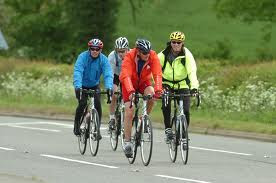
Cycling is biggest cause of heart attack!


Cycling has always been touted as being good for health, but now a study has found that it is actually one of the biggest triggers of heart attacks.

The study, which analysed 36 pieces of research on everyday risks, proves that the "final straw" in bringing on a heart attack is spending time in traffic as a driver, cyclist or commuter.

But of the three, cyclists are in greatest danger because they are more heavily exposed to pollution and are subjecting themselves to another major heart attack trigger, exercise.

Traffic exposure was blamed for 7.4 per cent of heart attacks, followed by physical exertion with 6.2 per cent, while air pollution triggered between 5 per cent and 7 per cent of heart attacks, and drinking alcohol or coffee accounted for 5 per cent.

Other risk factors included negative emotions (3.9 per cent), anger (3.1 per cent), eating a heavy meal (2.7 per cent), positive emotions (2.4 per cent) and sexual activity (2.2 per cent).

Cocaine was to blame for 0.9 per cent of heart attacks, but this was because of limited exposure to the drug among the population.

According to the study, led by Dr Tim Nawrot, from Hasselt University in Belgium, on an individual basis, taking cocaine was shown to raise a person''s risk of having a heart attack 23-fold.

In comparison, air pollution led to a 5 per cent extra risk, but since far more people are exposed to traffic fumes and factory emissions than cocaine, air quality is a far more important population-wide threat.

Read More

Flu cases on rise in LB and county


"All influenza types and subtypes, including A (H3), A (H1N1) and B, have been identified at high levels," the Long Beach Department of Health and Human Services said in an advisory to local hospitals dated Feb. 17. "There are no reported deaths associated with influenza in Long Beach to date. However, 10 deaths have been reported in Los Angeles County."
The Long Beach health department urges all local physicians to:
Continue influenza vaccinations. "It is not too late to vaccinate."
Encourage all health care workers to receive the influenza vaccination.
Consider antiviral treatment for patients at high-risk for complications from influenza.
The growing influenza trend reflects a national increase. The number of national cases remained elevated, according to the Centers for Disease Control and Prevention.
The proportion of deaths attributed to pneumonia and influenza was above the epidemic threshold, the CDC reported.
Throughout the month, the CDC has been tracking key flu indicators. Both the proportion of deaths attributed to pneumonia and influenza and the proportion of outpatient visits for influenzalike illness were above what is expected for this time of year. In addition, widespread influenza activity was reported in 37 states,
Regional geographic influenza activity was reported by the CDC on Feb. 12 in 10 states: California, Idaho, Kentucky, Mississippi, Nevada, New Jersey, North Dakota, South Dakota, Utah and Washington.
Rates are highest in patients younger than 5 and in patients 65 years of age and older, according to the CDC.


Quit smoking for you health


Choosing to quit smoking can be a hard decision. But, medical experts say it can also be one of the best things you can do for your health. It can also save you money.
One in every five deaths in the United States is smoking-related according to the Centers for Disease Control and Prevention (CDC). In fact, the CDC points out about 10 million people in the United States have died from causes attributed to smoking (including heart disease, emphysema, and other respiratory diseases) since the first Surgeon General's report on smoking and health in 1964. Two million of those deaths were the result of lung cancer.
Heavy smokers, or those who smoke over a pack of cigarettes a day, can find themselves at the greatest risk. The CDC also says exposure to secondhand smoke causes an estimated 3,000 deaths from lung cancer among American adults. Scientific studies also link secondhand smoke with heart disease. In addition, the American Cancer Society (ACS) says 90 percent of people with oral cancer use tobacco.
According to the National Women's Health Information Center (NWHIC), women have seen the highest increase in smoking related diseases. NWHIC says tobacco use by pregnant women has been linked with increased risk for Sudden Infant Death Syndrome and mental retardation.
Smoking is also considered a trigger for asthma, according to the American Lung Association (ALA), and secondhand smoke worsens the health of children with asthma. Studies also show that cigarette smokers have more than double the risk of a heart attack compared to non-smokers; and according to ALA, the earlier you start smoking, the greater the health risk. Smoking is also considered a risk factor for developing cataracts and pneumothorax, a condition that can cause the lung to collapse.

Health care costs burden to cities


The 50 most populated communities in Massachusetts face a $20 billion liability for retiree health care benefits, placing funds for local services at serious risk, according to a report by the Massachusetts Taxpayers Foundation.
These governments must pay $20 billion in today's dollars for the lifetime health care benefits already earned by 150,000 employees and retirees in the 50 communities, including Chicopee, Holyoke, Springfield and Westfield, according to "Retiree Health Care: The Brick That Broke Municipalities' Backs."
Taken together, the 50 communities face a liability that is virtually unfunded , the report said. It concludes that financing these obligations for retirees would burden taxpayers and trigger layoffs or cuts in municipal services.

"This is a death march," said Michael J. Widmer, president of the taxpayers foundation. "Something has to give."
Chicopee's unfunded liability for health care for retirees is $165.2 million; Holyoke, $300.1 million; Springfield, $761.5 million, and Westfield, $178.4 million.
Ralph White, president of the Retired State, County and Municipal Employees Association of Massachusetts, said the foundation is attempting to throw retirees under the bus by calling for dramatic changes in certain laws that protect benefits.
"To me, it's egregious," White said. "It's cruel. You really don't have to go that far."
Gov. Deval L. Patrick has filed legislation that seeks to force communities to join the state health insurance plan or use a local plan that would cost no more than enrolling in the state program.
Rep. Stephen Kulik, D-Worthington, is sponsoring a bill that would allow communities to set co-pays and deductibles on health plans without approval of public employee unions. The co-pays and deductibles could be no higher than the state insurance plan. Under the bill, municipalities would negotiate with unions about the employees' share of premiums.
The report lays out recommendations to reduce costs and control increases in retiree health care, including calling for approval of Kulik's bill, which is backed by the Massachusetts Municipal Association.

Ladies, adore Your Body, shield Your Heart


There are some things in life that should clearly be ignored. The telemarketer who calls your house at all hours of the day and night, the endless commercials and newspaper ads claiming unbelievable weight loss results with minimal effort, and any health news story that promises a "miracle" or "cure."
But, there is one thing in life that should never, ever be ignored, and that is your body. Your beautiful, precious, body that fuels your passions, hopes and dreams.
Being mindful of your body, paying attention to what your body is telling you, and loving your body can be helpful to protect you from heart disease. There are steps you can take to help prevent you from heart disease, but it's your choice. No one can force you.
Heart disease is the number one killer of women, not breast cancer. That fact may be surprising to many people given all of the media attention and prevention efforts surrounding breast cancer. So let me say it again ... "Heart disease is the number one killer of women!"
Just like the fight against breast cancer, we in the media should focus on raising awareness among women in fighting and preventing heart disease. As with all health prevention, it starts with you. There are simple lifestyle choices you can make to help prevent you from heart disease, but it's your choice. No one can force you.

Building brawn may also boost brain power


It has long been a cliche that muscle bulk doesn't equate with intelligence. Most of the science about activity and brain health has focused on the role of endurance exercise in improving brain functioning.
Aerobic exercise causes a steep spike in blood movement to the brain, an action some researchers speculated might be necessary to create new brain cells, or neurogenesis.
Running and other forms of aerobic exercise have been shown, in mice and men, to lead to neurogenesis in the parts of the brain associated with memory and thinking, providing another compelling reason to run.
Few researchers thought muscle bulk would have a similar effect. But recent studies intimate otherwise. It's not easy to induce a lab rat to lift weights, so researchers developed clever approximations of resistance training to see what impact adding muscle and strength has on an animal's brain.

Guidelines to offer kids a healthy smile


February is National Children’s Dental Health Month, and the New Jersey Department of Health and Senior Services is urging parents to ensure their children are polishing up on their tooth brushing skills, and maintaining good oral hygiene in order to have a lifelong healthy smile.
“Over 50 percent of children ages 5-9 have at least one cavity or filling,” said Dr. Poonam Alaigh, Commissioner of the New Jersey Department of Health and Senior Services. “We hope that by raising parental awareness of the importance of brushing we will reduce the incidences of cavities and improve oral health in children.”
Tooth decay is one of the most common diseases in children. It is five times more common than asthma and seven times as common as hay fever.
Here are some preventive measures:
• Infants and young children can be especially vulnerable to tooth decay because tooth decay is an infectious disease. Avoid testing the temperature of your child’s bottle with the mouth, sharing utensils or cleaning a pacifier or bottle nipple with saliva.
• Do not put your baby to bed with a bottle or prop the bottle up in the baby’s mouth. Hold your infant during feeding.
• Clean your infant’s gums with a clean, damp cloth or piece of gauze wrapped around a finger and plain water after each feeding.
• Parents are urged to take an active role in brushing their children’s teeth once the first tooth comes in usually when the child is between 6 and 10 months of age. Lift the lip to brush at the gum line and behind the teeth.
• For children ages 2-6, parents should use no more than a pea-sized amount of fluoride toothpaste.

Walking, Nutrition for a Healthy Mind


Women can take simple steps to bolster their brain power now and keep mentally agile as they age, according to an article in The Sun by fitness expert Nicki Waterman and nutritionist Amanda Ursell.
First up is the importance of nutrition, which starts during pregnancy, as the fetus is hungry for solid nutrients to improve brain development. Ursell encouraged pregnant women to consume good sources of magnesium, including whole grains, nuts and lentils; zinc, found in wheat germ, pumpkin seeds and red meat; folic acid, ideally via a 400 mcg/d supplement, to help the development of the spinal cord and central nervous system; choline, found in eggs, which helps in production of acetylcholine, an important neurotransmitter; and omega-3 fatty acids, which support brain development.
Children and adults also need various nutrients to support their developing brains. One important step, Ursell said, is ensuring children eat breakfast to provide nutrients that fuel the brain. Other key compounds, she noted, include iron for brain development, memory and concentration; vitamin D, which supports learning and memory; B vitamins, which studies suggest can fight memory impairment in aging; and vitamin E, found in nuts and seeds, which can stave off mental decline.
In the exercise arena, it’s as simple as walking, according to Waterman, who noted studies have found walking just a mile a day can slow memory loss and maintain brain volume, while also reducing the risk for developing Alzheimer’s disease. Exercise also improves blood flow to the brain, delivering oxygen for optimal performance; Waterman added studies have found aerobic exercise may even promote the growth of new brain cells.

More Kids Have Health Coverage


If you are a parent, you know that your children’s health and wellbeing is your number one concern. According to a new report, an increasing number of parents in America are resting easy, knowing that their kids have health coverage.

The report shows that last year, Medicaid or the Children’s Health Insurance Program (CHIP) provided health coverage to two million additional children. All together, 42 million kids now rely on Medicaid and CHIP for their coverage.

If you aren’t familiar with them, Medicaid and Children’s Health Insurance Program are programs run by the states (with financial help from federal government) that offer no-cost or low-cost health insurance to kids. Every state program varies a little, and most have their own names - HUSKY, Healthy Families, Apple Health for Kids. Generally, children up to age 19 in families of four with income up to $45,000 a year can qualify, but the rules are set by each state. You can find more about your State’s programs at Healthcare.gov. In many states the income limit is higher, so more children and families are eligible.

The increase in kids getting covered by Medicaid and CHIP is a big deal. Tough economic times are making it hard for businesses to continue providing coverage to their employees, and harder for families to afford coverage. Tough times also have kept many states from devoting their funds to do outreach to uninsured families and to help eligible children sign up.

Heart disease costs are expected to triple by 2030


There's a new forecast of the cost to treat heart disease in the U.S. over the next 20 years — and it isn't pretty.
According to a study published in Circulation: Journal of the American Heart Association, the annual cost to treat heart disease — including high blood pressure, coronary heart disease, heart failure, stroke and other conditions — will triple by 2030, from $273 billion to $818 billion (in 2008 dollars).
U.S. medical expenditures are already the highest in the world, hitting 15 percent of gross domestic product in 2008, the authors reported.
To generate the forecast, researchers took current disease rates and applied them to population estimates suggested by census data. They assumed no major changes in treatment.
Today, 36.9 percent of Americans have some form of heart disease. By 2030, 40.5 percent — about 116 million people — will, according to the Circulation study. Cases of both stroke and heart failure were projected to rise about 25 percent.
The most expensive condition to treat will remain hypertension, because of its prevalence. Hypertension is a risk factor for stroke, coronary heart disease and heart failure.
Shortages of doctors or nurses could push costs even higher, the study authors wrote.
Continued rises in rates of diabetes and obesity could too, they said.

How much sodium? Decoding nutrition labels


Guidelines for Americans, designed to give Americans a sense of what their diets need based on the newest food research.
But interpreting this information as a consumer can be tricky. After all, the numbers companies must print on packaged foods are only useful if you have a point of reference.
When you're deciding what to make for dinner, experts say that having a bit of background information allows you to make more informed decisions about the information you see on food labels.
Counting calories
"The most important thing there — and that's why it's in bold — is calories," said Keith-Thomas Ayoob, an associate clinical professor of pediatrics and registered dietitian at the Albert Einstein College of Medicine in New York. "That will determine whether someone gains or loses weight. Your body doesn't really care whether the calories come from sugar or fat when it comes to controlling weight."
As it says in the fine print, food labels are based on a 2,000 calorie diet — but the number of calories you actually need can vary. The American Heart Association recommends consuming anywhere from 1,600 to 3,000 calories per day depending on your age, gender and lifestyle.
There is also some variation in how much you need of the different vitamins and minerals, based on your age. The daily values listed on food packages after each vitamin or mineral are based on the highest amount needed by any age group, Ayoob said, which ensures that anyone following the labels will be getting enough of the vitamin, if not a little extra.

Health Buzz Diabetes Rising Among Americans


Approximately 26 million American adults over age 20 have diabetes,compared to 23.6 million in 2008—a 9 percent jump, according to estimates released Wednesday by the U.S. Centers for Disease Control and Prevention. In total, more than 100 million Americans now have diabetes or prediabetes, Diabetes arises when the body has trouble producing or using the hormone insulin, which leads to the buildup of sugar in the blood. Diabetics are at increased risk of heart disease, stroke, high blood pressure, blindness, kidney disease, and amputations. At least 90 percent of those affected have type 2 diabetes, which is linked to obesity and inactivity. About 79 million Americans, meanwhile, have prediabetes, which means their blood sugar is elevated but does not meet the threshold for a diabetes diagnosis. Most people with prediabetes develop full-blown diabetes within 10 years, unless they lose 5 to 7 percent of their body weight, Bloomberg reports. "These distressing numbers show how important it is to prevent type 2 diabetes and to help those who have diabetes manage the disease," Ann Albright, director of the CDC's Division of Diabetes Translation, said in an agency statement. On a positive note, she said the findings also suggest that people with diabetes are living longer than ever before.

Being plump is good for health


The researchers said the idea that weight is harmful has been "exaggerated" and people who are little heavier may actually live longer.

The California University (CU) study that looked at about 350,000 people in the US also suggested that the obese put their health in greater danger when they obsessively try to slim down.

It recommended that people should eat a varied and balanced diet, and take "enjoyable" amounts of exercise — even if they still end up carrying a few extra pounds. The researchers also noted that society's obsession with dieting is "ineffective" and often leads to people becoming fatter as they crave food and binge, the Daily Mail reported.

Linda Bacon, a CU professor who led the study, claimed there is evidence to show that overweight people live longer than normal. Those who are obese in old age also tend to live longer than elderly people who are thin, they said. They are also more likely to survive certain health conditions, such as type 2 diabetes, heart disease and kidney failure, added the researchers.

Although it's known that obesity puts people at higher risk of heart disease and other illnesses, the scientists said that "being fat" is not the cause. Instead, they blame poor diet and lack of exercise — which almost always come with obesity.

Plan would charge state retirees more for health care


State lawmakers, fresh off of passing a major income tax increase, are turning toward a trio of other ideas as they try to capitalize on a newfound mood at the Capitol of dealing with long-festering budget problems.
The new push is a crackdown on the rising cost of health care for retired state workers. The program costs the state nearly $500 million a year, and more than 90 percent of the retirees and survivors pay no premiums.
The leftover plans are to raise the cigarette tax and borrow money to more quickly pay down a big backlog of bills, both of which could get new life now that the high-pressure political atmosphere surrounding the tax increase is done.
Of the three, the retiree health insurance issue is most likely to become the next rallying cry among a public weary of the cost of state government and the recent Democrat-led incursion into their wallets to pay for years of mismanagement.
The idea is to start charging the retirees who can afford to pay for their health care. And new state research shows some of the 84,100 retirees and survivors appear to possess the ability to pay — the average annual household income for a retired state worker younger than 65 was nearly $78,000.

Kidney transplants could save health-care system millions


The number of Canadians living with kidney failure has tripled in 20 years and thousands of patients are waiting for kidney transplants, researchers say in a report that suggests if transplants were available, $150 million spent on expensive treatments would be saved.
There were nearly 38,000 Canadians living with kidney failure in 2009 -more than triple the number recorded in 1990 -with 3,000 people on a transplant waiting list, according to a study examining organ failure released yesterday by the Canadian Institute for Health Information (CIHI).
If everyone on the wait list was transplanted, about $150 million would be saved each year because of less dialysis treatment expenses, said Claire Marie Fortin, CIHI's manager of clinical registries.
"Dialysis is expensive, there's no denying it," Fortin said.
"It's also onerous on the patient. We always think of dollars and cents when it comes to health care, but there are patients involved and these are people who have to travel far to get their dialysis. A greater supply of organs would be beneficial to the system."
Hemodialysis treatments cost $60,000 a year per patient while a one-time expense for a kidney transplant is only about $23,000, plus an additional $6,000 for medication to maintain the transplant, Fortin said.

Health Bill: facts and fiction, by Carol Propper


I have to admit to being stunned by the level of misinformation that is currently accompanying the Health and Social Care Bill as it is introduced into Parliament.
Yesterday, the shadow health secretary John Healey stated that ‘the changes would make the health service profit centred rather than patient centred, health secretary Andrew Lansley said ‘competition would be on quality and not cost’ and that as the health service is free at the point of delivery patients obtain the best medical outcome rather than the cheapest option. Meanwhile, Karen Jennings, head of health at Unison, stated that the only survivors will be the private health companies which are ‘circling like sharks’ and MPs say ‘the reforms have taken the NHS by surprise’.
None of these statements has much basis in either fact or evidence. The reforms being introduced in the bill are essentially a continuation of the reforms started under the previous administration, albeit at an increase in pace and scale. The Labour reforms introduced competition between hospitals for patients and patient choice of hospital and a system of regulated prices. Lansley has changed the buyers of health care from local PCTs to general practitioners, but under Labour the PCTs were supposed to act on behalf of their local GPs anyhow. Why Healey believes that increasing the pace of reform and replacing the PCTs with GP consortia should mean the NHS switches from being patient to profit centred is completely unclear.
GPs have not been seen by politicians as profit centred previously. In fact, perhaps because GPs see so many voters each week, most politicians studiously ignore the fact that GPs are private contractors and not NHS employees. In addition, the new GP consortia will probably employ a fair number of ex-PCT staff. So it seems unlikely there will be a radical shift in values on the purchaser side.

Spice And Dye Point Toward Better Treatment For Traumatic Brain Injuries


An old Indian spice and a dye whose cousin makes sports drinks blue are pointing scientists toward better treatment of traumatic brain injuries.

TBIs, the signature wound of the Iraq and Afghanistan wars, occur on football fields and roadways as well when an injured brain swells inside the closed confines of the skull, causing cell damage and symptoms ranging from headaches and confusion to seizures, slurred speech and death.

Medical College of Georgia researchers suspect that one day curcumin - the biologically active ingredient that makes the spice turmeric yellow - and the dye brilliant blue G - or their analogues - may be what doctors order to block the dangerous swelling.

"Today we don't have good therapies for TBIs, which can mean many good and often young minds are damaged or even lost," said Dr. Cargill H. Alleyne Jr., Chairman of the MCG Department of Neurosurgery. "We believe these attempts to characterize how edema and secondary injury develop after head trauma will enhance our efforts at prevention as well as identify novel therapies. This may eventually make a big difference for those injured on battlefields, football fields and highways."

"This is a dire situation for these patients," added Dr. Krishnan Dhandapani, MCG neuroscientist who vividly remembers a young TBI patient he saw his first week on the MCG faculty. The young male was riding an all-terrain vehicle helmetless when he flipped and hit his head on a rock. MCG Neurosurgeon John Vender, who had removed a portion of the patient's skull to give the brain room to swell, explained that was one of the biggest problems after trauma.